VA's #1 Rated Remodeling Company
Guaranteed Remodeling Near You
Free Consultation
Free Estimate
Working Kitchen In 7 Days
Free Consultation
Free Estimate
No Obligation

700+ 5-Star Reviews
Here Are Our True Ratings. Check Them Out.




Award-Winning Kitchen Remodeling


Award-Winning Kitchen Remodeling



Kitchen Packages
Silver Package
Based on 10x10 Kitchen
starting at
$9,500
- Kitchen Cabinets
- Kitchen Cabinets
- Kitchen Cabinets
- Kitchen Cabinets
- Kitchen Cabinets
- Kitchen Cabinets
- Kitchen Cabinets
- Kitchen Cabinets
Silver Package
Based on 10x10 Kitchen
starting at
$9,500
- Kitchen Cabinets
- Kitchen Cabinets
- Kitchen Cabinets
- Kitchen Cabinets
- Kitchen Cabinets
- Kitchen Cabinets
- Kitchen Cabinets
- Kitchen Cabinets
Silver Package
Based on 10x10 Kitchen
starting at
$9,500
- Kitchen Cabinets
- Kitchen Cabinets
- Kitchen Cabinets
- Kitchen Cabinets
- Kitchen Cabinets
- Kitchen Cabinets
- Kitchen Cabinets
- Kitchen Cabinets




Here Are Our True Ratings. Check Them Out.
Three Easy Steps Of Remodeling With GBC

Visit Our Showroom
Explore Designs: Kickstart your project by exploring a wide range of materials and styles in our showroom.
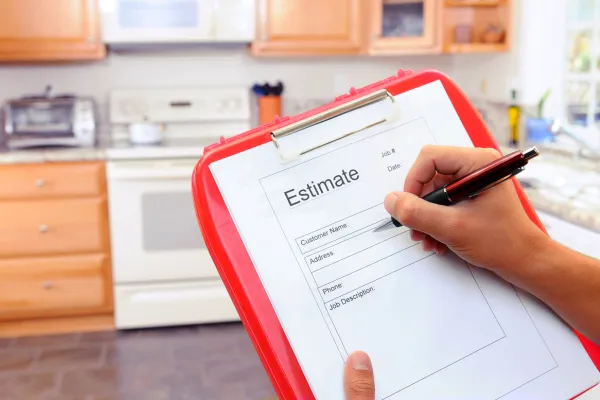
In-Home Estimate
Get a Custom Quote: We'll visit your home to understand your needs and provide a detailed estimate

Installation
Enjoy Your New Space: The Best
remodeling contractor will bring your design to life.
Why GBC Kitchen & Bath?
Proofed Quality. 700+ 5 Star giving customers can't be wrong.
We handle permits and regulations for you.
We handle cleanup & disposal for you.
You are protected by a written contract.
Dedicated Project Managers. We promise perfect communication during the project.
3-Year Labor Warranty
Vast Options. 100+ Cabinet styles, 100+ stones from luxury brands to affordable ones.
Why GBC Kitchen & Bath?
Proofed Quality. 700+ 5 Star giving customers can't be wrong.
We handle permits and regulations for you.
We handle cleanup & disposal for you.
You are protected by a written contract.
Dedicated Project Managers. We promise perfect communication during the project.
Timeliness. Always On Time & On Budget
Vast Options. 100+ Cabinet styles, 100+ stones from luxury brands to affordable ones.
Our Happy Customers
CALL NOW FOR AN INSTANT ESTIMATE
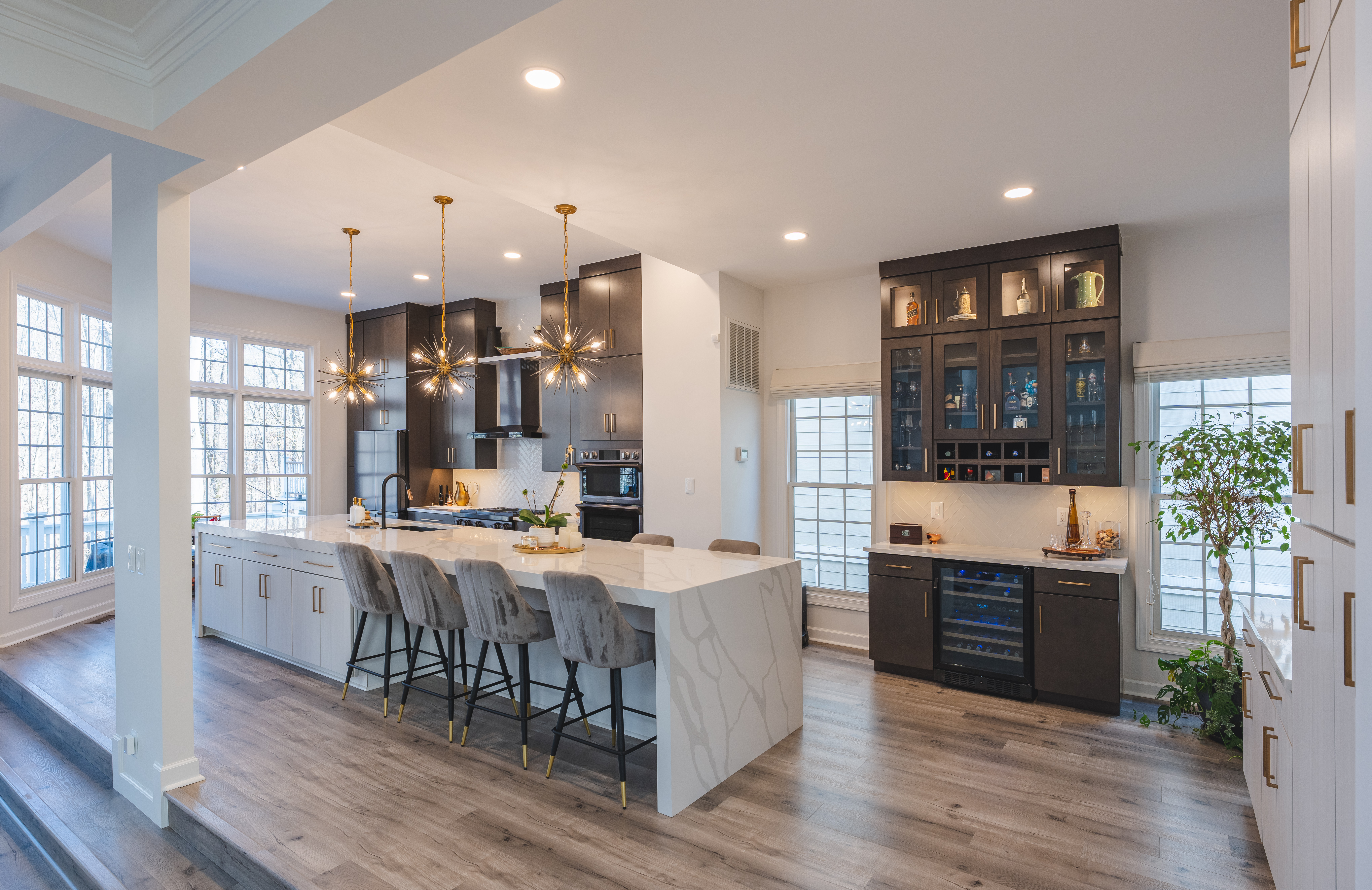
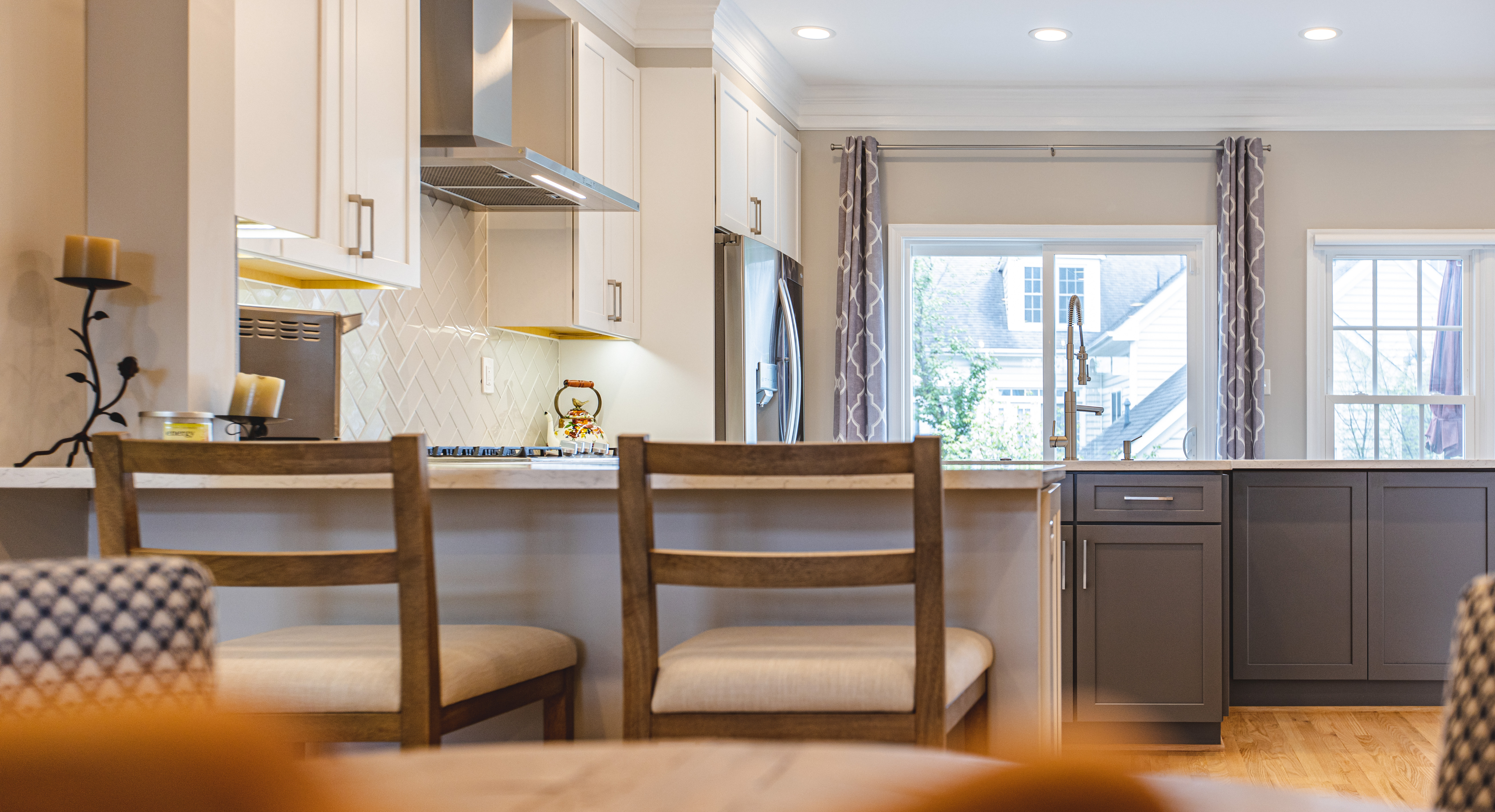
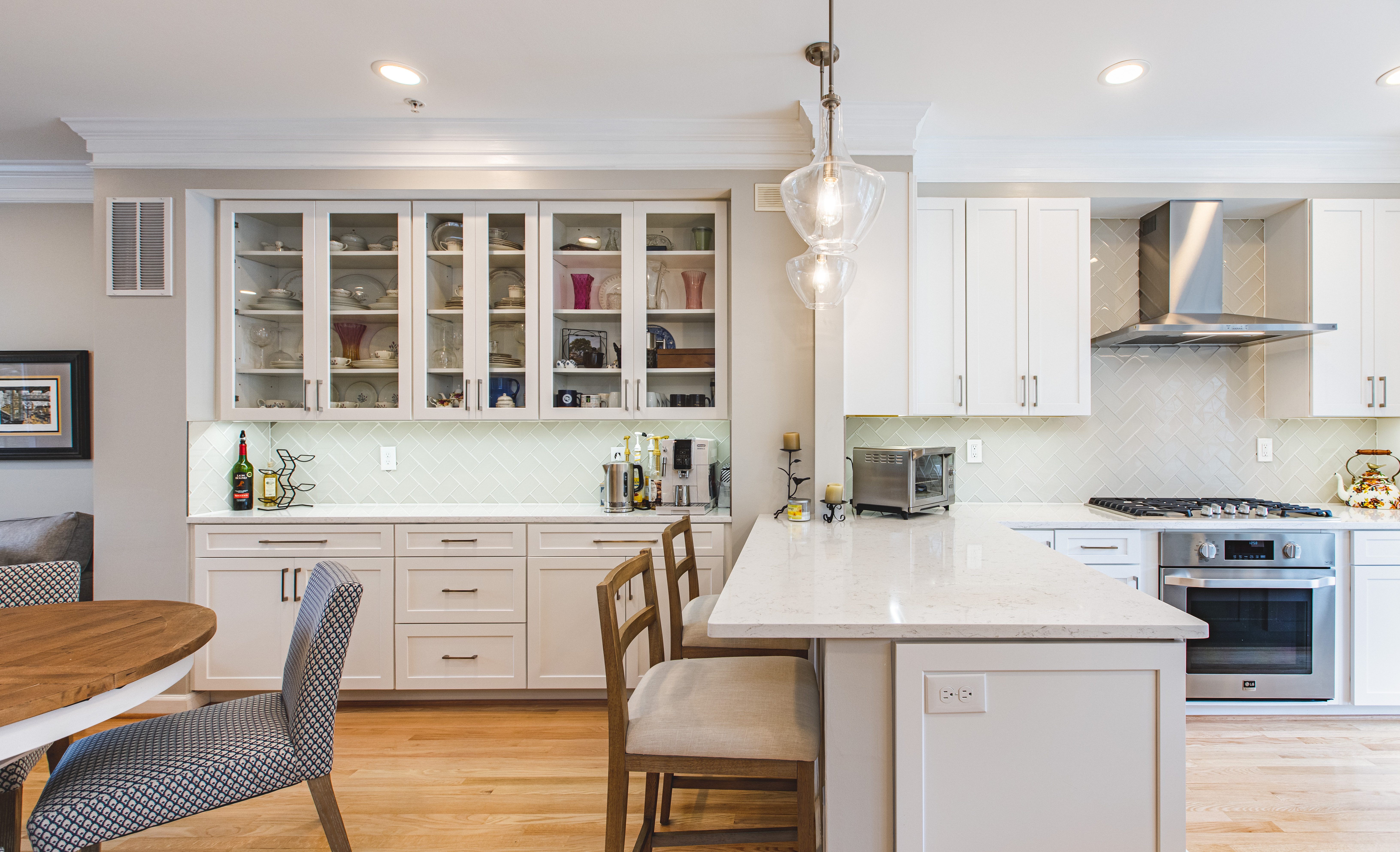
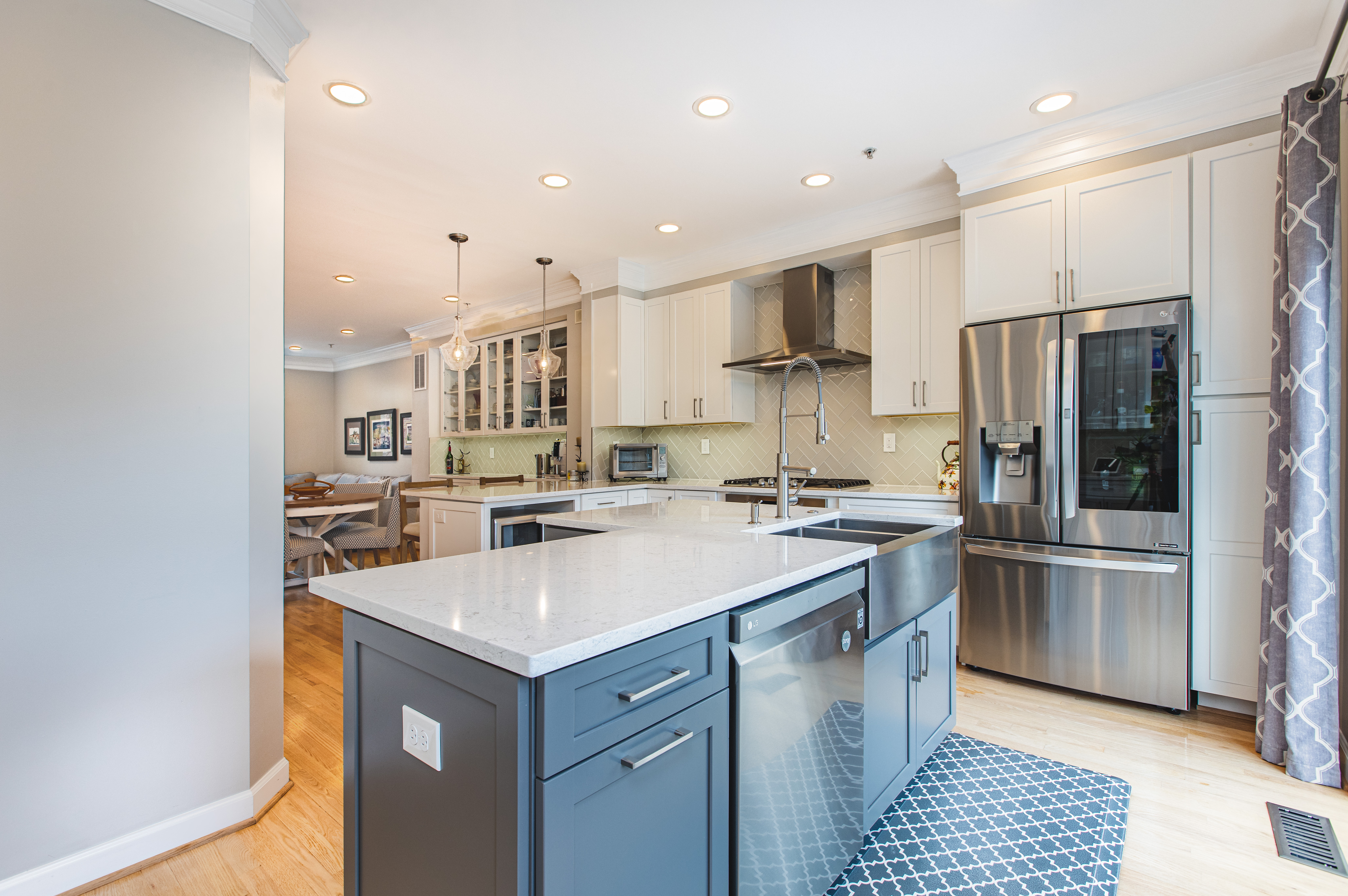
Completed Projects
CALL NOW FOR AN INSTANT ESTIMATE
Let Us Build Your Dream Home
Remodeling Made Easy With GBC's Streamlined Processes
Free Consultation
Free Estimate
No Obligation
FREQUENTLY ASKED QUESTIONS
How much does a kitchen remodel typically cost?
The cost of a kitchen remodel can vary widely based on the size of the kitchen, the materials used, and the extent of the renovation. On average, a mid-range kitchen remodel in the U.S. costs between $25,000 and $40,000, while high-end remodels can exceed $75,000. Basic cosmetic updates, such as painting cabinets, replacing countertops, and upgrading appliances, might cost between $10,000 and $20,000.
Several factors impact the final price: custom cabinetry, premium countertop materials (like quartz or granite), structural changes, and high-end appliances all add significant cost. Labor, which typically accounts for 20–35% of the budget, also varies by region. It's smart to plan for unexpected expenses by setting aside 10–20% of your total budget as a contingency fund.
How much does a bathroom remodel cost?
Bathroom remodels typically cost $10,000 to $20,000 for mid-range updates. This includes replacing fixtures, flooring, lighting, and perhaps a new vanity or tub. Smaller cosmetic renovations can start around $5,000, while a luxury bathroom renovation with high-end finishes and custom features (like walk-in showers or heated floors) can easily exceed $30,000.
The final cost will depend on size, material selections, and labor. Plumbing and electrical work often increase costs, especially in older homes where updates may be required to meet current codes. Additionally, if you move plumbing lines or knock down walls, the price increases significantly. Planning the layout carefully and keeping existing plumbing in place can help control costs.
How long does a kitchen remodel take?
A typical kitchen remodel takes 2 to 6 weeks once construction begins, but the entire process from planning to completion can take 1 to 2 months or more. The timeline depends on the complexity of the project, availability of materials, permits, and whether structural changes are involved.
Delays are common due to material backorders, unforeseen structural issues, or permit approvals. To help ensure a smoother process, hire an experienced contractor, order materials in advance, and make key design decisions early. Having a realistic timeline and a detailed project schedule can significantly reduce stress during the remodel.
How long does a bathroom remodel take?
A typical bathroom remodel takes 1 to 4 weeks once construction starts, but the full process from planning to final touches can span 1 to 2 months or longer. The timeline depends on factors such as the scope of work, material availability, plumbing or electrical changes, and whether permits are required.
Common delays can arise from backordered fixtures, unexpected water damage, or inspection wait times. To minimize disruptions, work with a seasoned contractor, finalize your design choices early, and order critical materials ahead of time. A clear schedule and open communication can go a long way in keeping your bathroom remodel on track and stress-free.
Do I need permits for a kitchen or bathroom remodel?
Yes, most kitchen and bathroom remodels require permits, especially if you're altering plumbing, electrical, or structural elements. Local building codes vary, but permits are typically necessary for changes involving mechanical systems or significant modifications to the space.
Working with a licensed contractor ensures the right permits are pulled and inspections are scheduled. While skipping permits might seem like a shortcut, it can lead to serious issues down the road, including safety risks, failed inspections during resale, and potential fines. Always check with your local building department to understand what's required.
What upgrades add the most value to a kitchen?
The upgrades that add the most value to a kitchen include new cabinets, upgraded countertops (especially quartz or granite), modern appliances, and improved lighting. A functional layout with ample storage is also highly appealing to homebuyers.
Minor kitchen remodels often offer a better return on investment (ROI) than major overhauls. According to recent cost-vs-value reports, even modest updates like painting cabinets, updating hardware, and installing a tile backsplash can recoup up to 70–80% of their cost when the home is sold. The key is balancing aesthetics with functionality and sticking to a style that appeals to a wide range of buyers.
Should I renovate the kitchen or bathroom first?
If you're deciding between the two, prioritize based on functionality, condition, and budget. Kitchens generally provide a higher ROI, often between 60–80%, and are more central to a home's daily living and resale appeal. However, if your bathroom is outdated, has plumbing issues, or lacks accessibility, it may take precedence.
Another consideration is lifestyle disruption. Kitchen remodels can be more inconvenient because the kitchen is used multiple times a day, while a home with more than one bathroom offers more flexibility. If both spaces need attention, some homeowners choose to remodel them simultaneously to save on labor and minimize overall disruption.
GET YOUR FREE ESTIMATE NOW
Talk To A Designer For Free
Explore Amazing Deals